Where Wine Grows from Stone – The Wineries of Cetinje
In the quiet hinterland of central Montenegro, beyond the coast and beneath the mountains, wine grows slowly — shaped by stone, sun, and patience. The villages of Ceklin, Dobrsko Selo, Rijeka Crnojevića, Smokovci, and the surrounding hills form a quiet wine landscape where tradition matters more than trends, and where every bottle tells a story of place.
This is not wine country in the grand, theatrical sense. There are no endless rows designed for spectacle. Instead, vineyards appear where the land allows them — tucked between stone walls, near old houses, along gentle slopes warmed by the sun and cooled by mountain air.
A Land That Teaches Patience
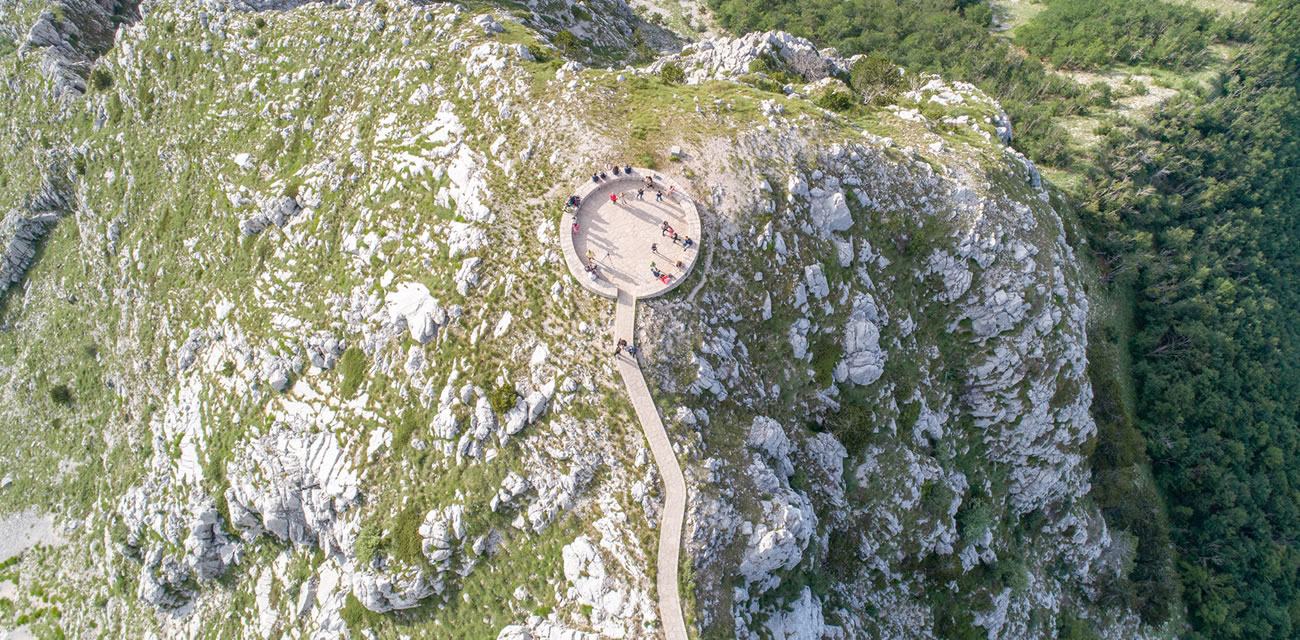
The terrain here is demanding. Karst stone lies just beneath the soil, summers are dry, and winters can be sharp. But these conditions are precisely what give local wines their character. Vines must work for water, roots must dig deep, and yields remain naturally low.
What emerges from this struggle is balance — wines shaped by restraint rather than abundance, expressing minerality, freshness, and quiet strength.
Family Wineries and Living Tradition
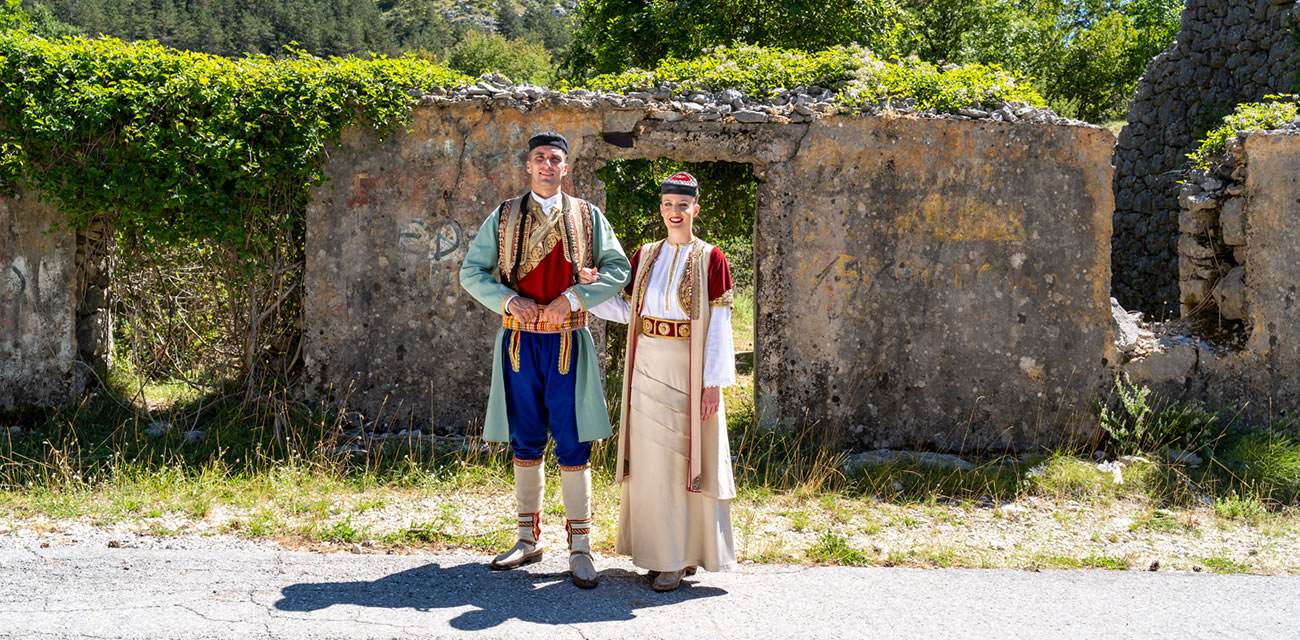
Winemaking in this region is almost always a family affair. Cellars are often attached to homes, and knowledge is passed down through generations without manuals or marketing language. The rhythm of pruning, harvesting, fermenting, and aging follows memory more than instruction.
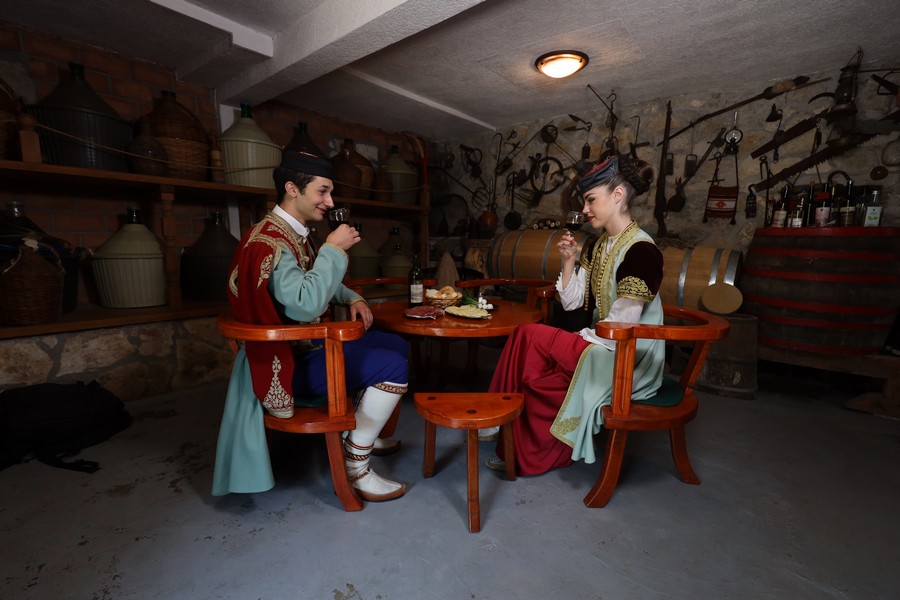
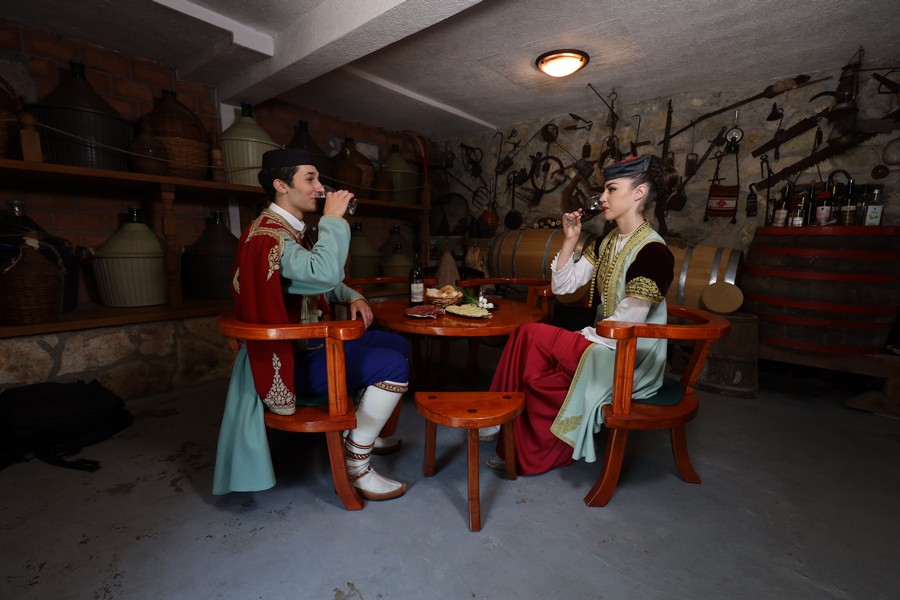
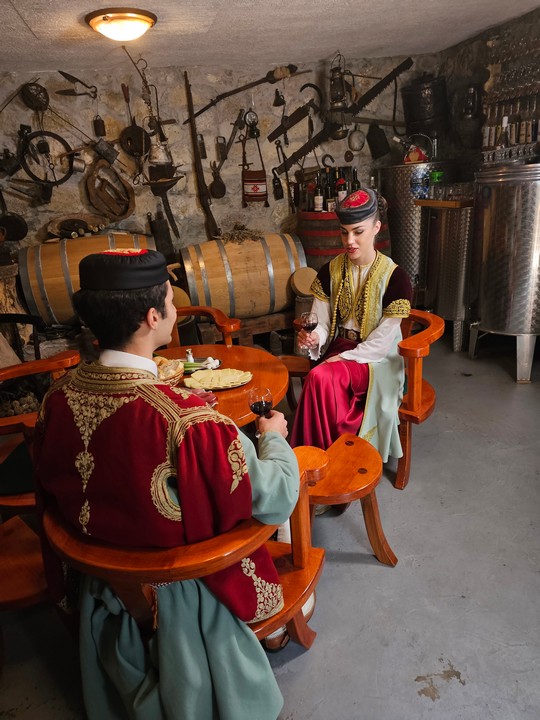
In places like Ceklin and Dobrsko Selo, wine is not a product created for visitors; it is a part of daily life. Guests are welcomed into working spaces, offered a glass without ceremony, and invited to listen to stories rather than sales pitches.
The Influence of Rijeka Crnojevića
Near River Crnojevića, the landscape softens. Water brings cooler air, gentler slopes, and a sense of calm that carries into the wines themselves. Vineyards here benefit from subtle humidity and temperature shifts, producing wines with elegance and approachability.
Tasting wine in this area often happens slowly — a glass poured after a meal, another during conversation, with the river nearby reminding everyone that nothing needs to be rushed.
Smokovci and the Southern Slopes
Smokovci and nearby villages sit closer to the open plains leading toward Skadar Lake. Here, the sun lingers longer, and grapes ripen fully. These conditions favor deeper, warmer styles, especially when working with Montenegro’s signature grape, Vranac.
The wines from these slopes tend to be generous but grounded — rich in color and structure, yet never heavy. They reflect a land that gives fully, but never easily.
Indigenous Grapes and Honest Expression
Across the region, indigenous varieties dominate. Vranac stands at the center — powerful, dark, and expressive — but it is handled with respect rather than force. When grown on these soils and crafted by small producers, it becomes nuanced, layered, and surprisingly refined.
Alongside it, white varieties such as Krstač and local blends offer freshness and minerality, often enjoyed young, in the spirit of sharing rather than aging for prestige.
More Than Wine
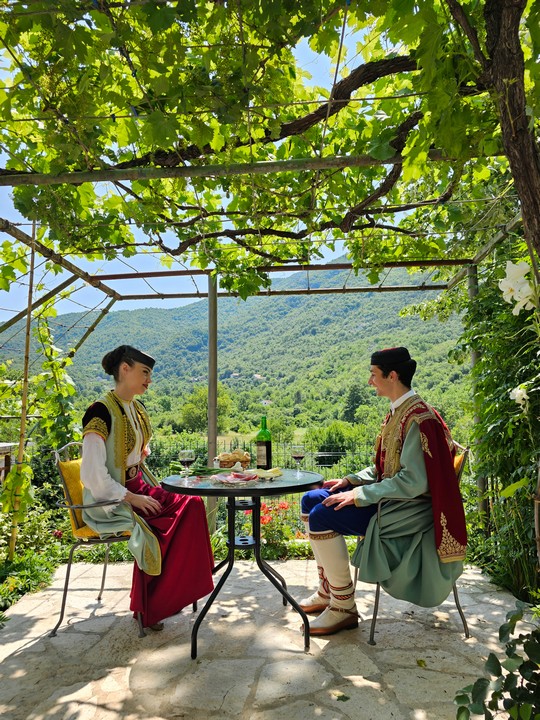
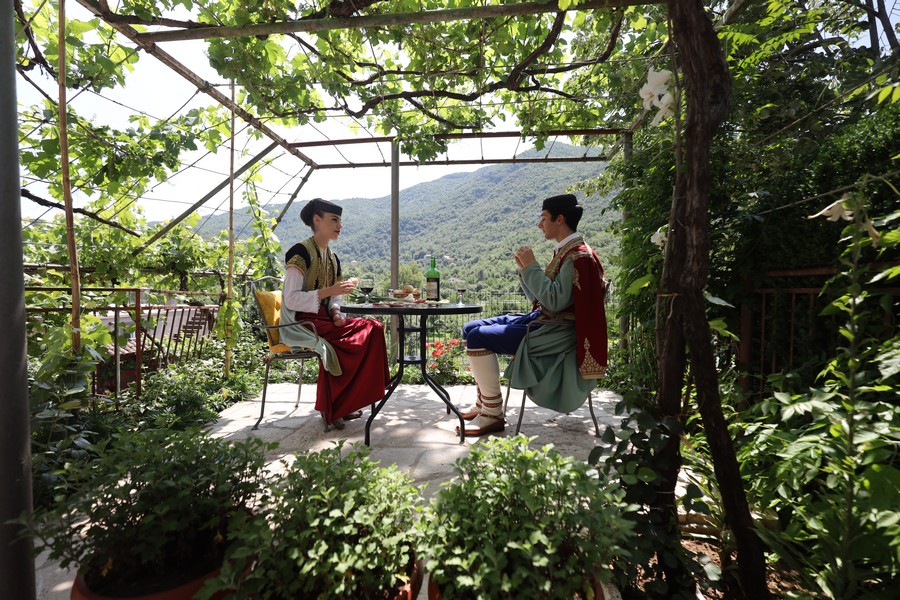
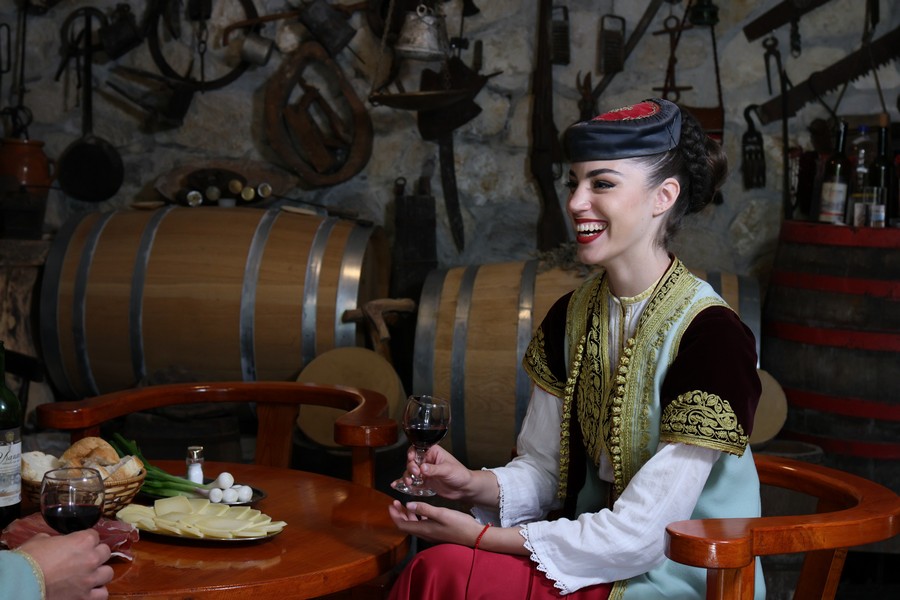
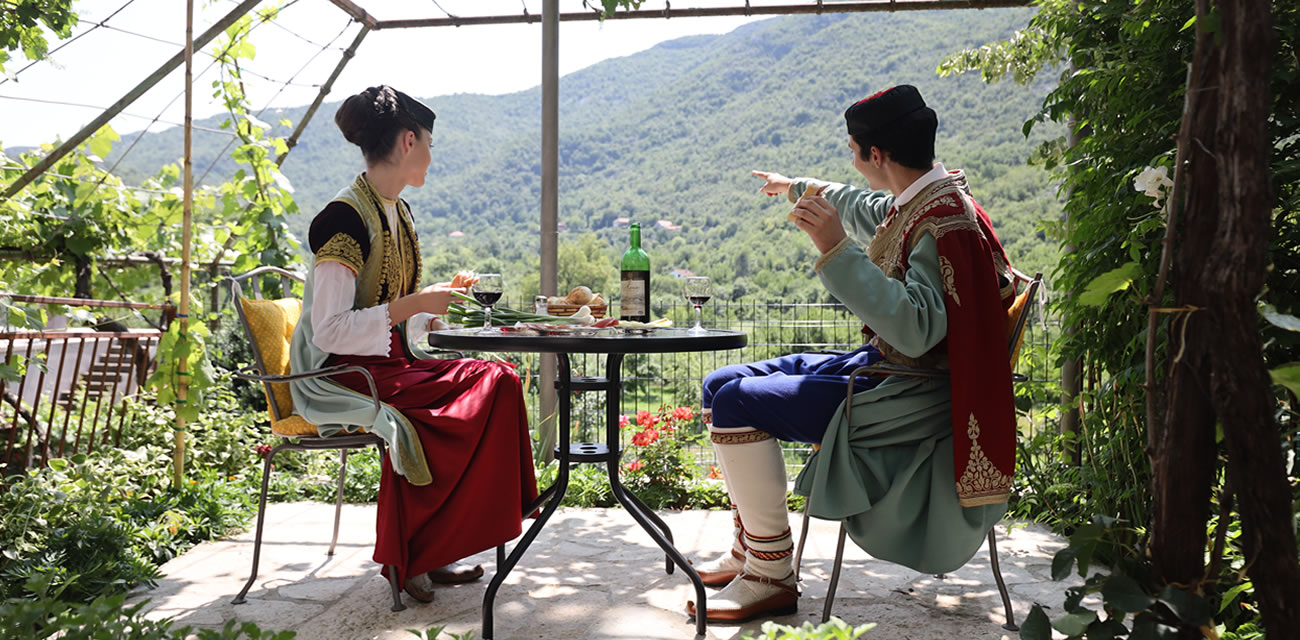
To visit wineries in this region is to understand that wine here is inseparable from place. Tastings are often accompanied by homemade bread, cheese, olive oil, and stories of harvests past. Conversations drift from weather to family history, from land to philosophy.
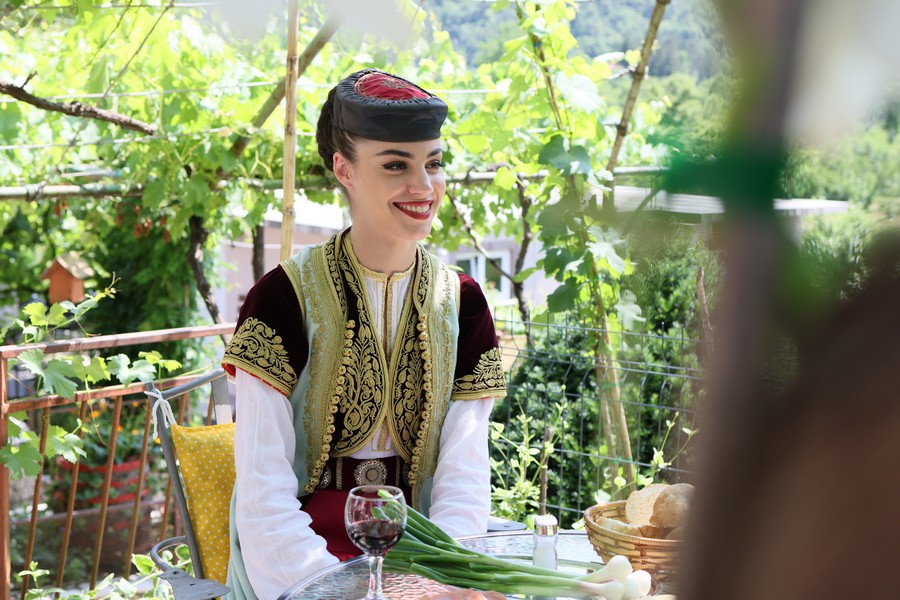
What guests remember most is not the tasting notes, but the atmosphere — the feeling of sitting in a courtyard, glass in hand, with nothing staged and nothing missing.
A Quiet Wine Identity
The wineries of Ceklin, Dobrsko Selo, Rijeka Crnojevića, Smokovci, and their surroundings do not seek attention. They are content to be discovered by those willing to leave the main road and follow curiosity.
In doing so, they offer something rare in modern wine travel: authenticity without performance, generosity without excess, and wines that speak clearly of where they come from.
This is Montenegro poured into a glass — rugged, sincere, and quietly unforgettable.