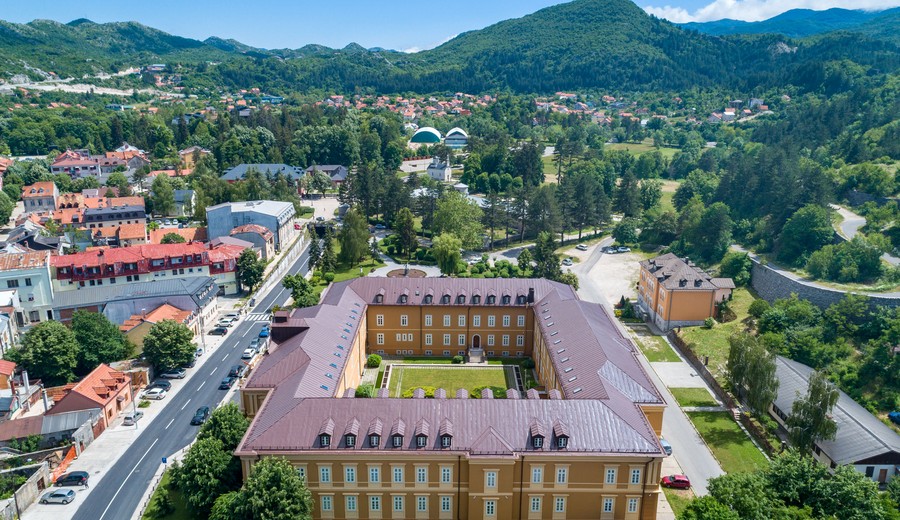
Where Water Feeds the Table – Fish, Tradition, and Slow Journeys on River Crnojevića
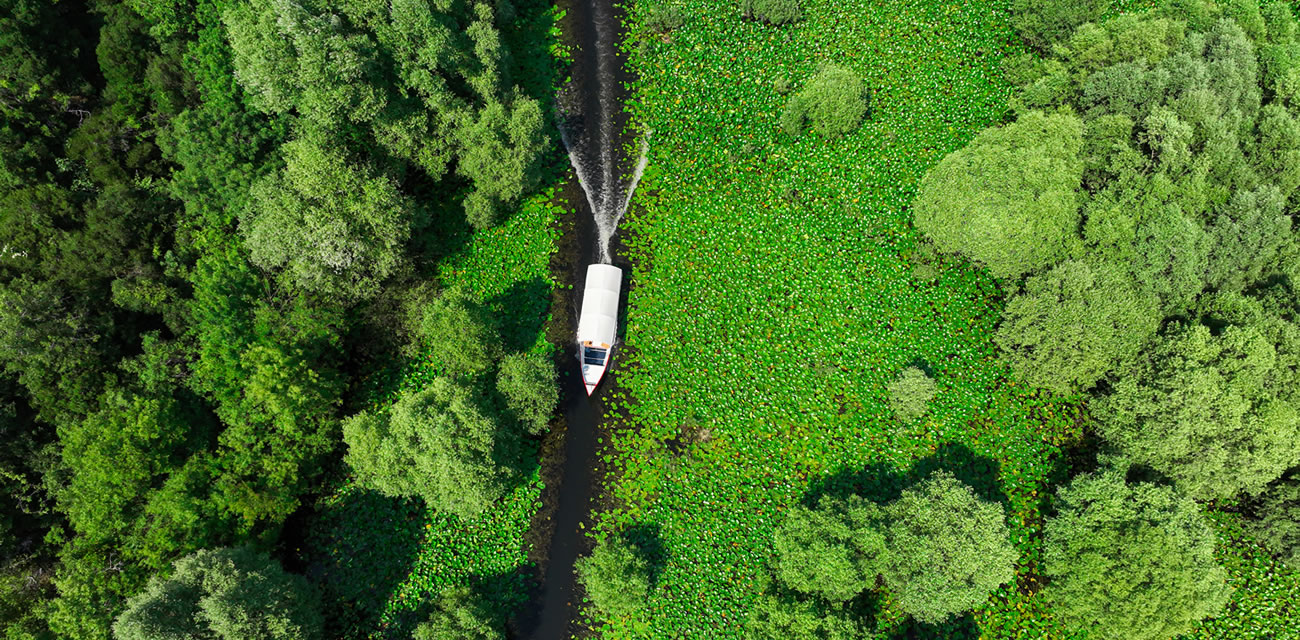
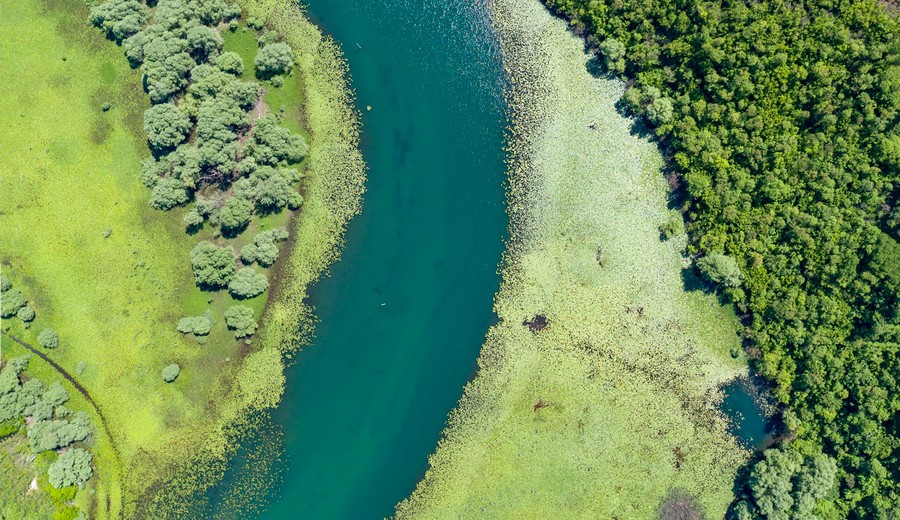
Along the gentle bends of River Crnojevića, food is inseparable from water. Here, cuisine does not compete with the landscape; it grows out of it. Fish restaurants, simple kitchens, wooden terraces above the river, and boats moving slowly through reeds all belong to the same rhythm — one defined by patience, freshness, and respect for tradition.
This is a place where Montenegro’s national cuisine feels most honest, most natural, and most at ease.
A River That Decides on the Menu
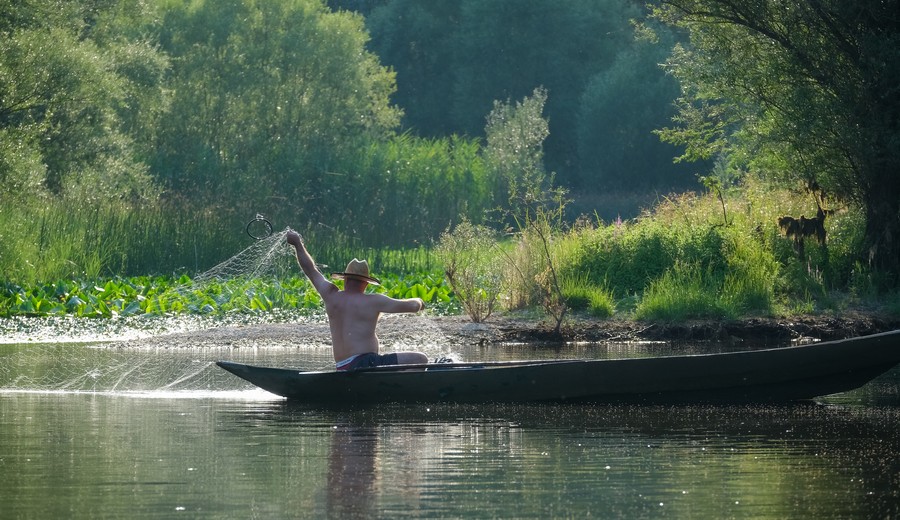
River Crnojevića flows quietly toward Skadar Lake, carrying with it a rich aquatic life that has sustained local communities for generations. Carp, bleak, eel, and other freshwater fish have long been part of daily life here — caught locally, prepared simply, and shared generously.
There is no need for excess seasoning. Olive oil, herbs, garlic, and time do the work. Fish is grilled slowly, baked under lids, or prepared in traditional stews that reflect both lake and river influences. The result is cuisine that feels light, clean, and deeply satisfying.
Restaurants That Belong to the River
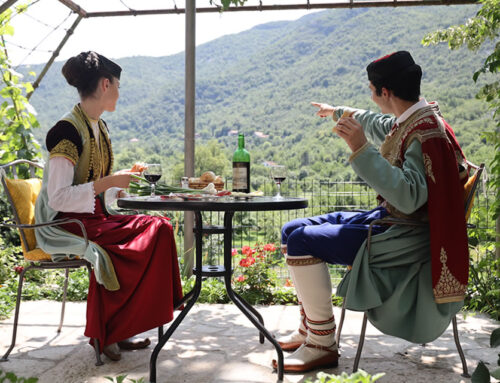
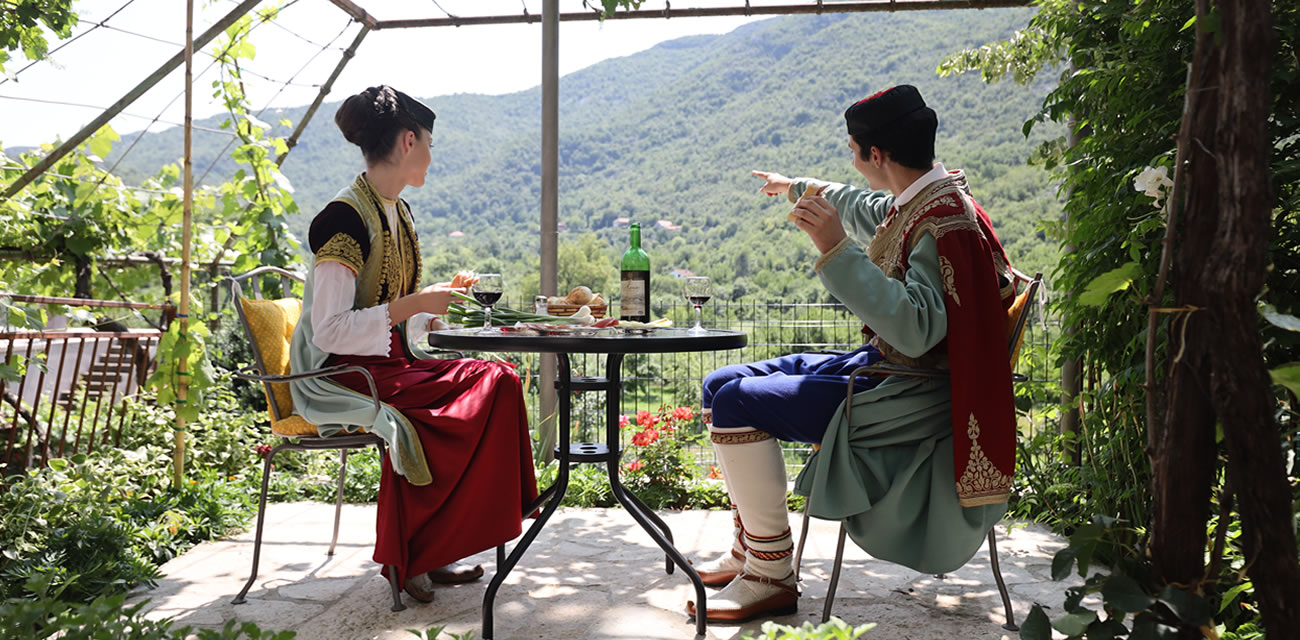
The best fish restaurants along the riverbanks are not defined by décor or formality. They are defined by position — built close to the water, often with terraces that seem to float above it. Tables are placed where reflections move gently beneath your glass, and meals stretch naturally into conversation.
These restaurants are extensions of the river itself. Owners know the water, the seasons, and the fishermen by name. Menus change subtly depending on the catch, weather, and time of year. What is served today is what the river allowed.
Eating here feels unforced. No rush. No spectacle. Just food that tastes right in its surroundings.
Pavlova Strana – A View That Prepares the Appetite
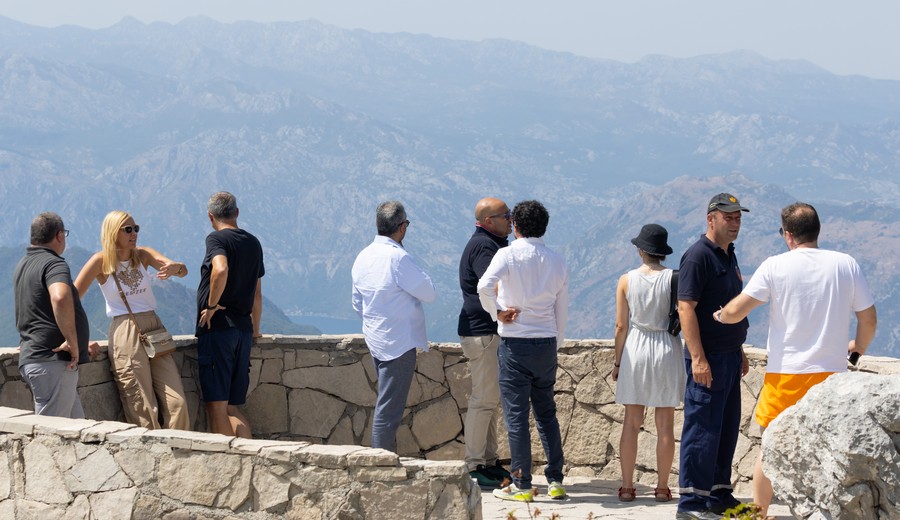
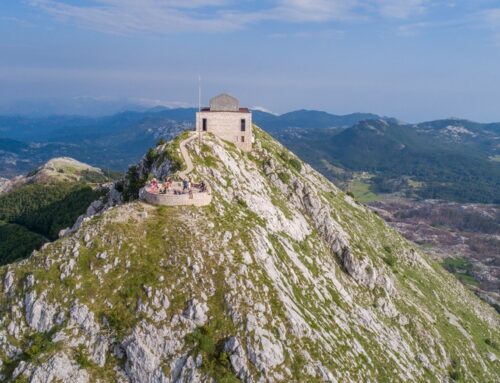
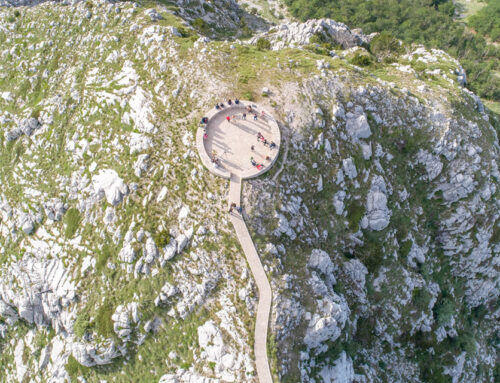
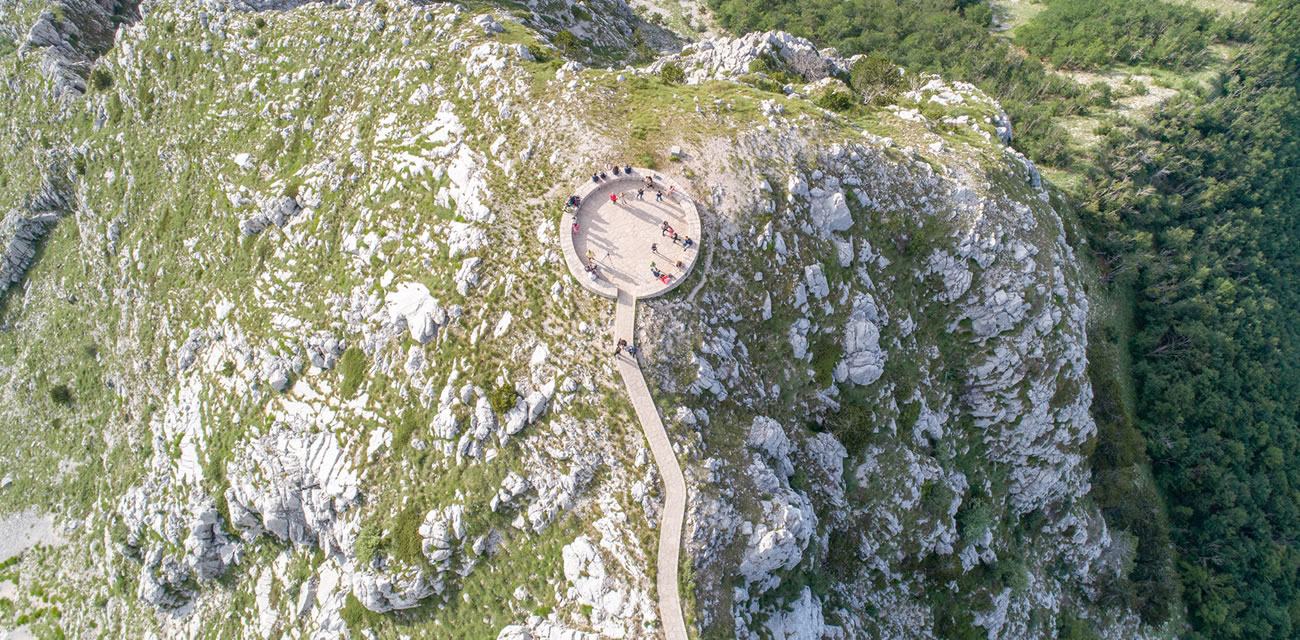
High above the river lies Pavlova Strana, one of Montenegro’s most poetic viewpoints. From here, the river reveals its full curve, drawing a perfect line through the landscape.
This viewpoint is often part of the culinary journey — a place for a pause, a coffee, a drink, or a quiet moment before descending to the riverbanks. Seen from above, the river’s path explains the cuisine below: slow, flowing, deliberate.
Pavlova Strana does not distract from the experience; it frames it. After seeing the river from above, sitting beside it feels inevitable.
Boat Trips as Part of the Table
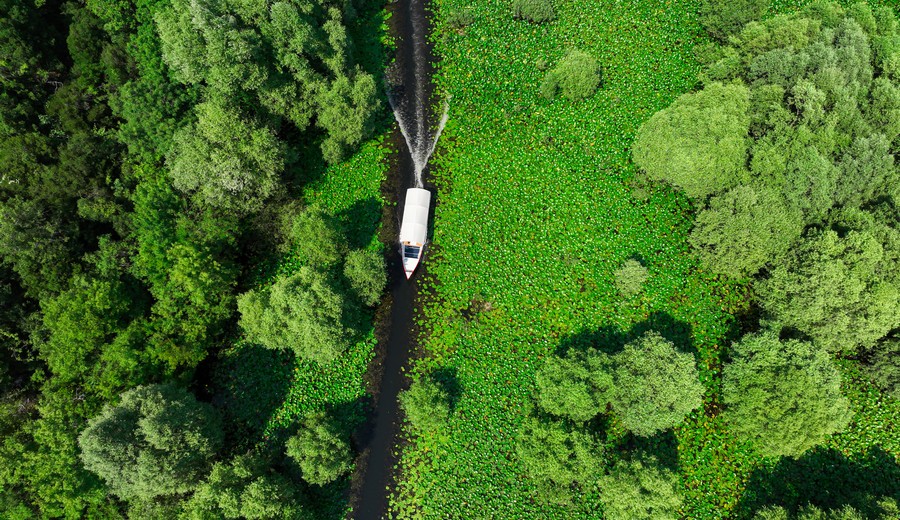
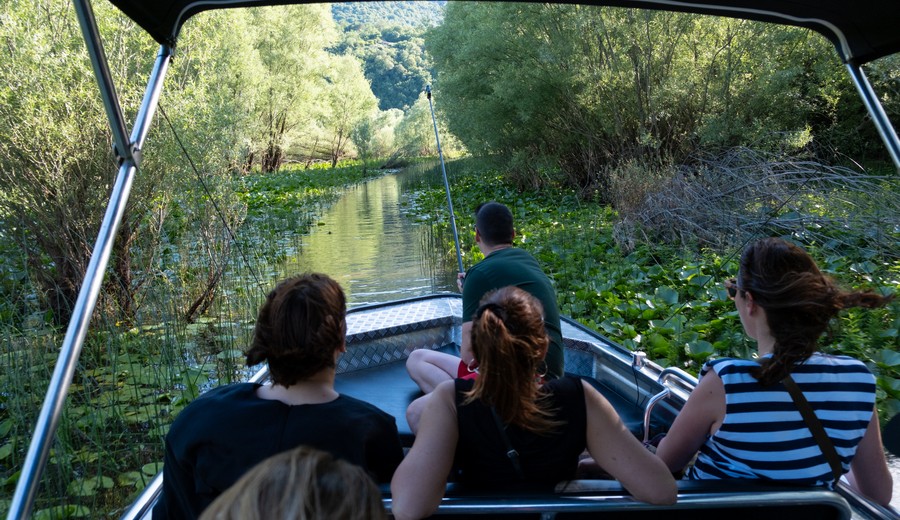
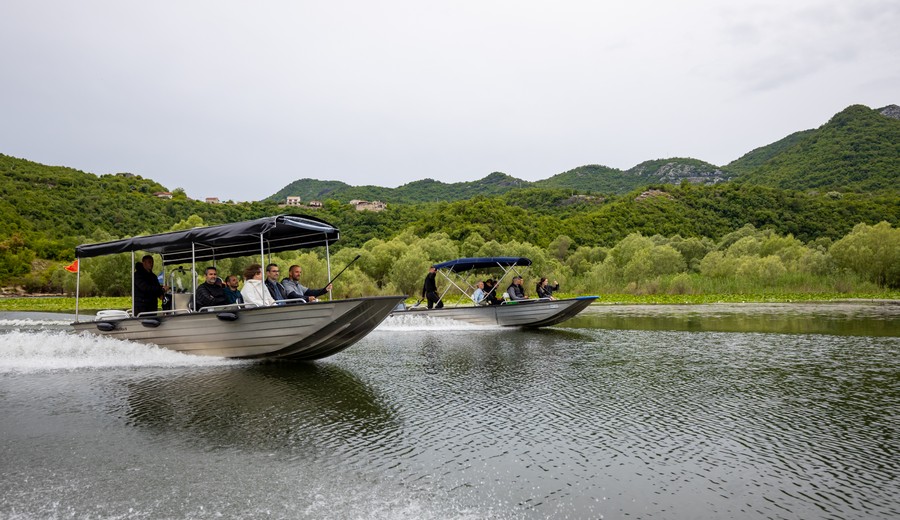
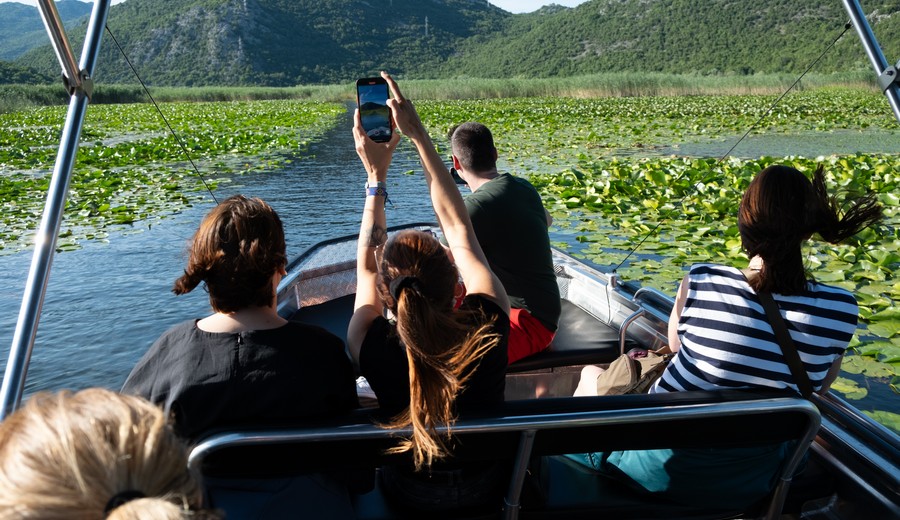
A meal along River Crnojevića is often paired with a boat trip — not as an activity, but as a continuation of the same mood. Boats move gently through narrow channels, past water lilies and reeds, where birds rest and reflections soften every sound.
From the water, the restaurants appear even more modest, even more fitting. The river reveals its quiet generosity, and by the time you return to the table, appetite feels earned rather than scheduled.
For many visitors, this combination — boat, river, lunch, silence — becomes one of the most memorable experiences in Montenegro.
National Cuisine Without Performance
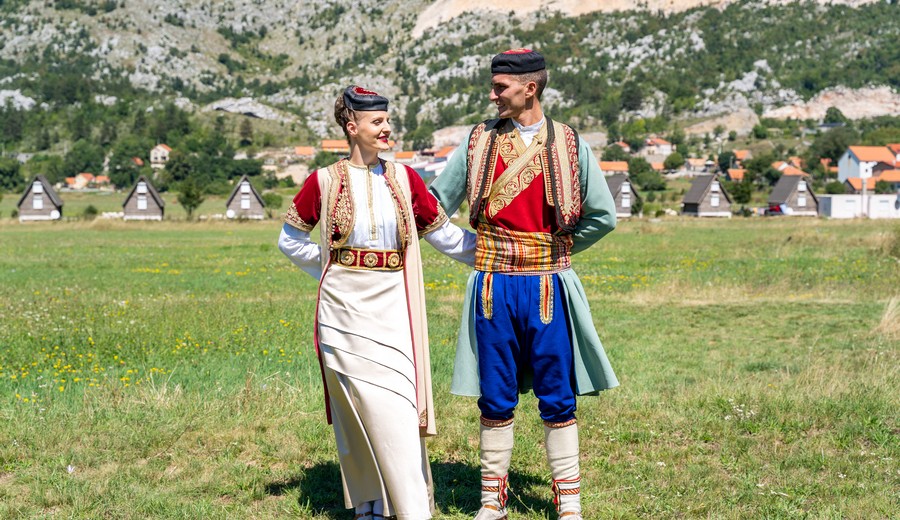
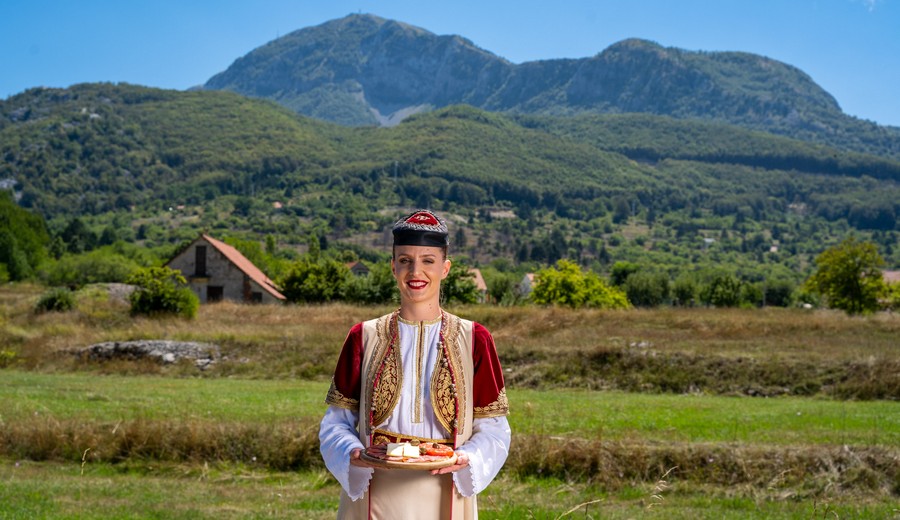
What distinguishes food in River Crnojevića from more touristic settings is sincerity. Recipes are not adapted for effect. Portions are generous, but not exaggerated. Wine is poured without explanation, because explanation is unnecessary.
This is Montenegrin national cuisine as it has always existed: shaped by environment, availability, and shared time. Fish tastes like water, bread tastes like grain, and meals taste like afternoons that refuse to end.
A Place That Teaches You to Stay
River Crnojevića does not encourage short visits. Lunch becomes late afternoon. Coffee becomes another glass of wine. Conversation replaces schedules.
In a country of dramatic mountains and bold coastlines, this river offers something quieter — and perhaps more meaningful. It reminds us that the best food is often found where life moves slowly, and that the most memorable meals are those eaten close to the source.
Here, water feeds the table.
And the table teaches you to slow down.