
The Journey Starts at the Top
From the Cable Car to the Heart of Montenegro
Elevated Beginnings. Meaningful Journeys
Kuk to Lovćen & Njeguši
From cable car heights to Njegoš Mausoleum and a true Njeguši tasting in just a few hours
The experience begins at the upper Kuk station, where guests are welcomed by our driver/guide and continue by comfortable vehicle into the heart of Lovćen National Park, a protected area symbolizing Montenegrin freedom, nature, and identity.
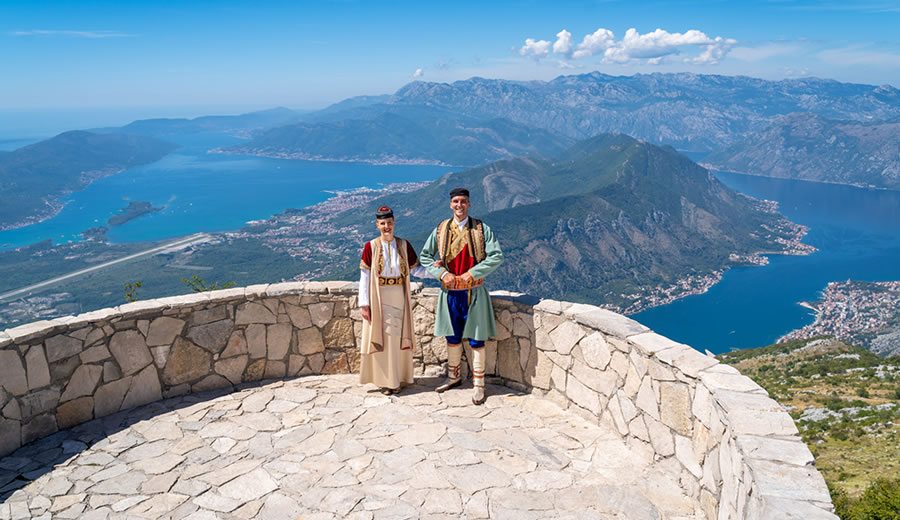
The drive unfolds through high-mountain landscapes and panoramic viewpoints before reaching Mount Lovćen and the plateau beneath Njegoš Mausoleum. From here, guests ascend the final 461 stone steps to the mausoleum, located at one of the most impressive viewpoints in Montenegro. At the top, visitors enjoy breathtaking views stretching across the mountains, the Bay of Kotor, Skadar Lake region, and, on clear days, far beyond — a moment of quiet reflection and cultural significance at the resting place of Petar II Petrović Njegoš, Montenegro’s greatest poet and ruler.
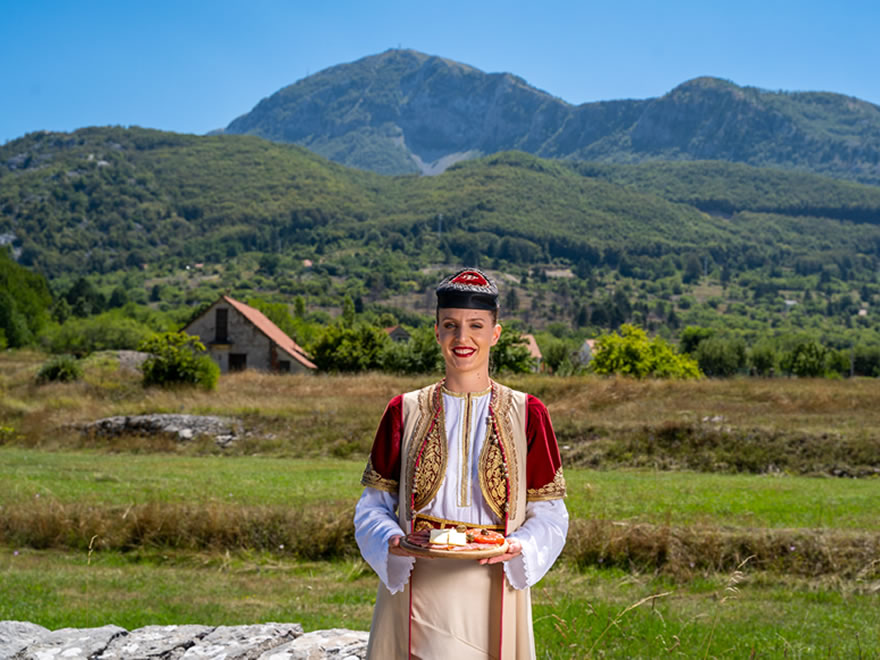
After the visit and descent, the tour continues toward Njeguši village, a historic mountain settlement known for its stone houses and centuries-old gastronomic traditions. Here, guests enjoy a prosciutto and cheese tasting experience at a local household, learning about traditional production methods and the importance of Njeguši cuisine in Montenegrin culture. Tastings are accompanied by local products and a relaxed atmosphere, offering a genuine taste of mountain life.
Following the visit, the return drive leads back through Lovćen National Park to the upper Kuk station, concluding the tour at the cable car departure point.
INCLUSIONS
NOTES
Lovćen National Park
Lovćen National Park rises above Montenegro like a guardian of identity, wrapped in highland air, pine forests, and dramatic cliffs. The road unfolds through panoramic viewpoints, leading to open plateaus where nature feels untouched and powerful.
Here, silence has depth, and every step brings wider horizons. Lovćen is not only a place of beauty, but a symbol of strength — the mountain where landscape and nation become one.
Njegoš Mausoleum Peak
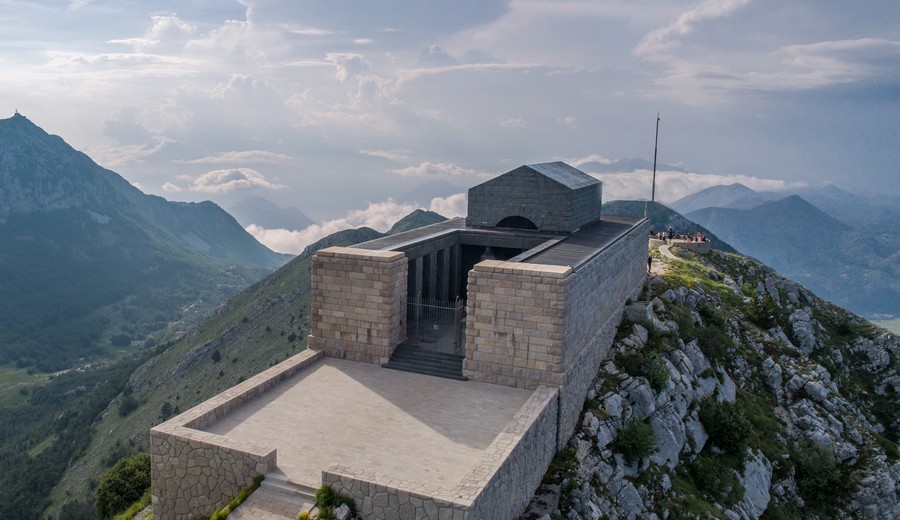
Perched high on Lovćen, Njegoš Mausoleum is one of the most breathtaking monuments in the Balkans, where history meets sky. After climbing the famous steps, visitors reach a summit view stretching over Boka Bay, inland mountains, and Skadar Lake on clear days.
The atmosphere is calm and unforgettable, honoring Petar II Petrović Njegoš — poet, ruler, and spirit of Montenegro — in a place made for reflection.
Njegoš Mausoleum Peak
Perched high on Lovćen, Njegoš Mausoleum is one of the most breathtaking monuments in the Balkans, where history meets sky. After climbing the famous steps, visitors reach a summit view stretching over Boka Bay, inland mountains, and Skadar Lake on clear days.
The atmosphere is calm and unforgettable, honoring Petar II Petrović Njegoš — poet, ruler, and spirit of Montenegro — in a place made for reflection.
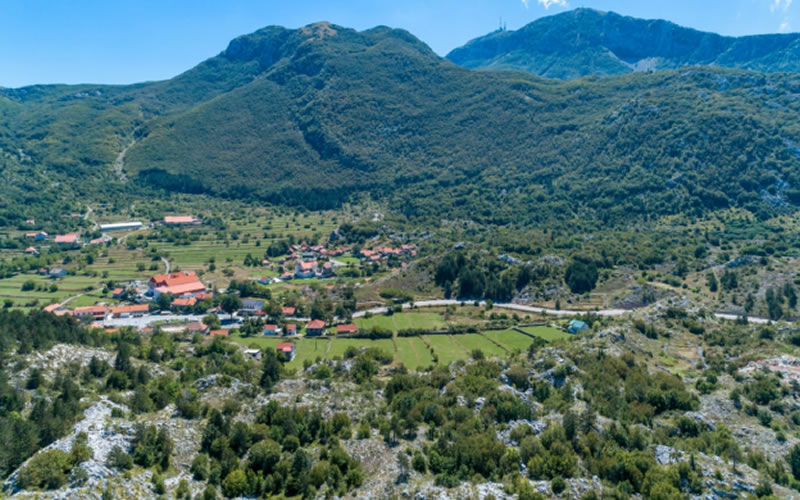
Njeguši Highland Village
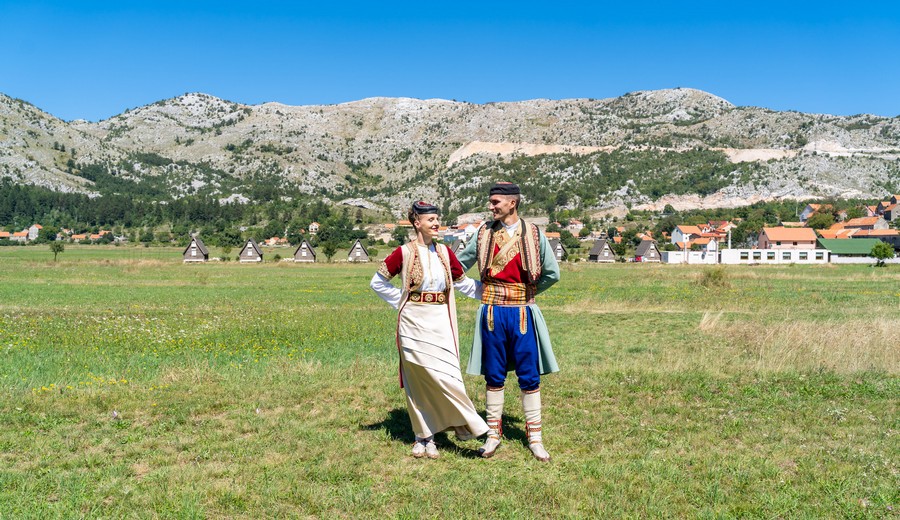
Njeguši is a legendary mountain village where Montenegro’s traditions live proudly, carried by stone houses, fresh air, and quiet rural charm. Sitting between Cetinje and Kotor, it offers a true taste of the old way of life — simple, authentic, and rich in character.
Known across the country for its prosciutto, cheese, and warm hospitality, Njeguši is more than a stop — it is a cultural experience.
Njeguši Tasting Tradition
A prosciutto and cheese tasting in Njeguši is a true Montenegrin ritual, served with pride and mountain hospitality. Thin slices of smoked, air-dried ham pair perfectly with local cheeses, olives, bread, and often a glass of homemade wine or rakija.
In small family restaurants and traditional taverns, the flavors feel honest and unforgettable. This is not just food — it’s heritage, shared at the table.
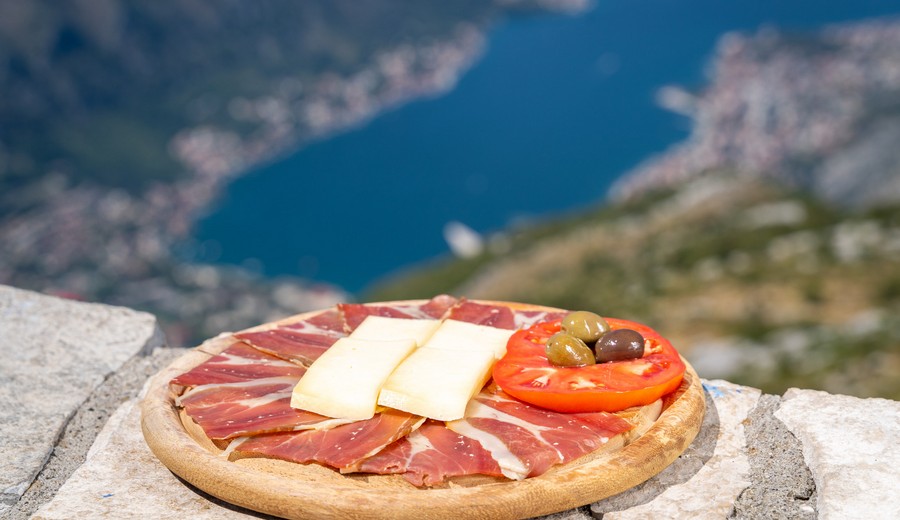
Njeguši Tasting Tradition
A prosciutto and cheese tasting in Njeguši is a true Montenegrin ritual, served with pride and mountain hospitality. Thin slices of smoked, air-dried ham pair perfectly with local cheeses, olives, bread, and often a glass of homemade wine or rakija.
In small family restaurants and traditional taverns, the flavors feel honest and unforgettable. This is not just food — it’s heritage, shared at the table.