Njegoš Mausoleum – Above the Clouds, Beyond Time
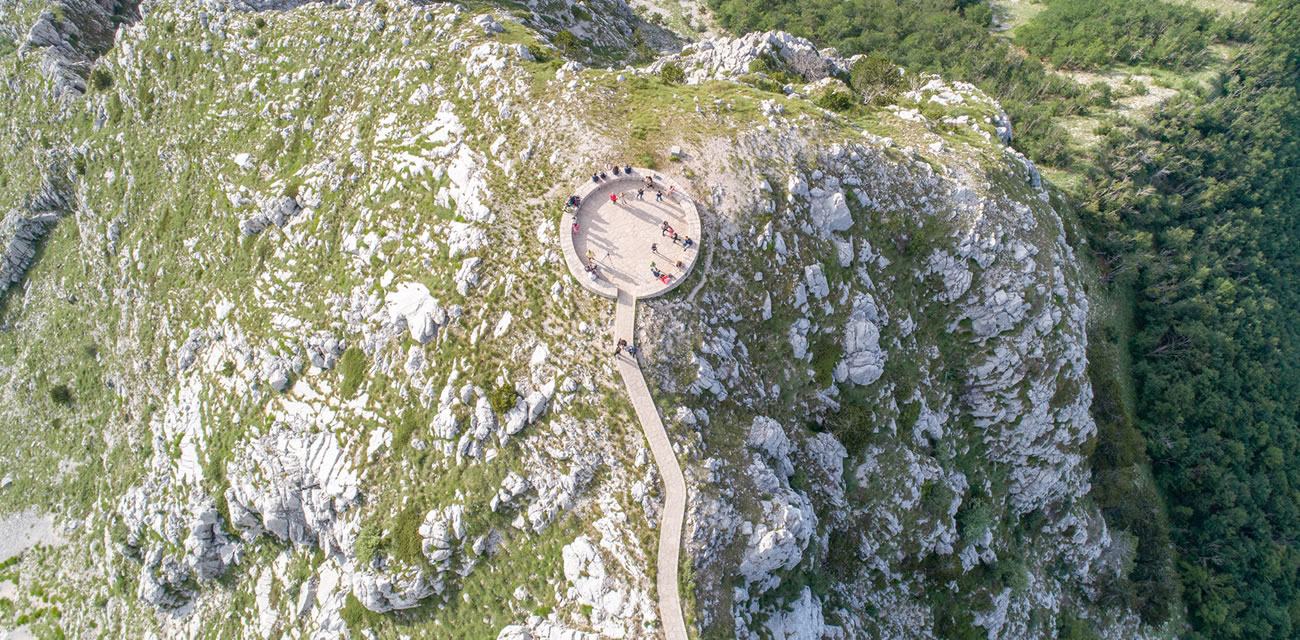
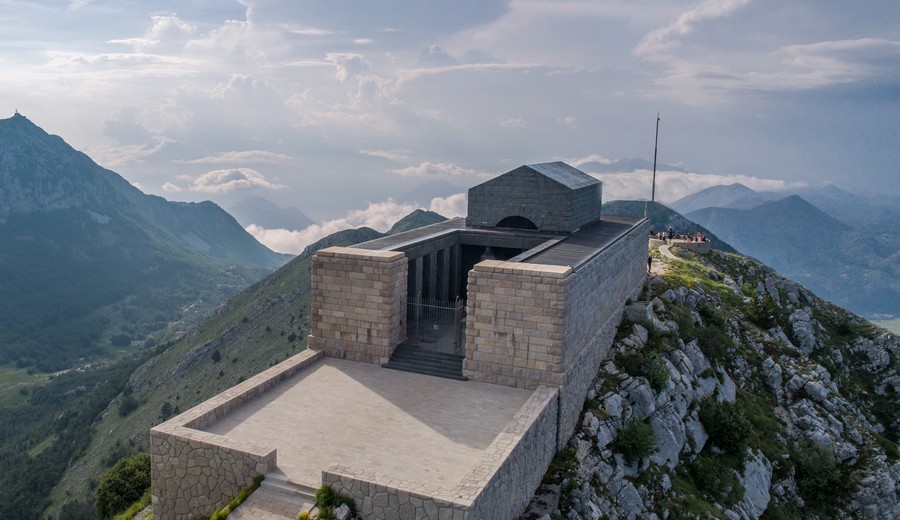
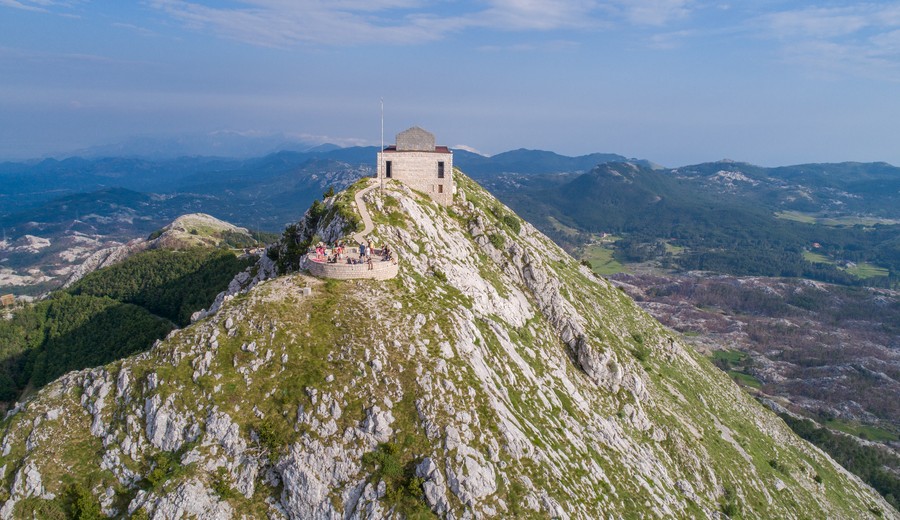
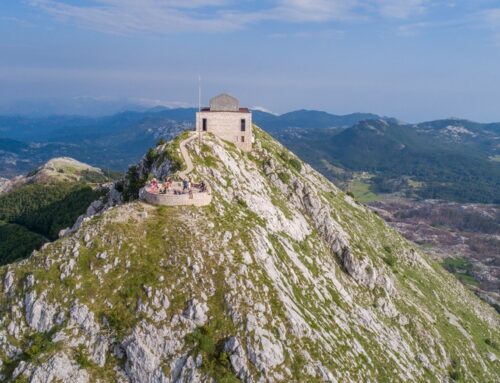
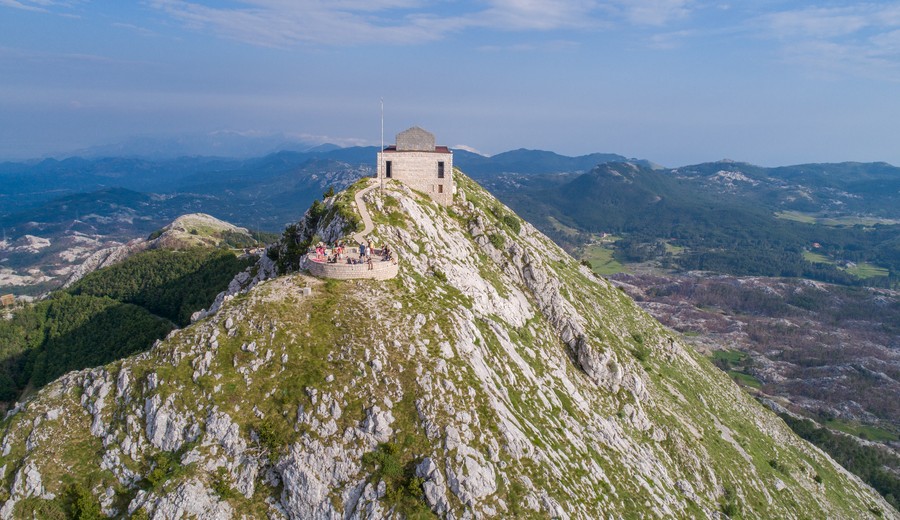
High on the crest of Mount Lovćen, where sky and stone seem to meet, stands the Njegoš Mausoleum — not merely as a monument, but as a place of thought, silence, and identity. It is one of those rare locations where landscape and meaning are inseparable, where the view is vast, yet the experience deeply inward.
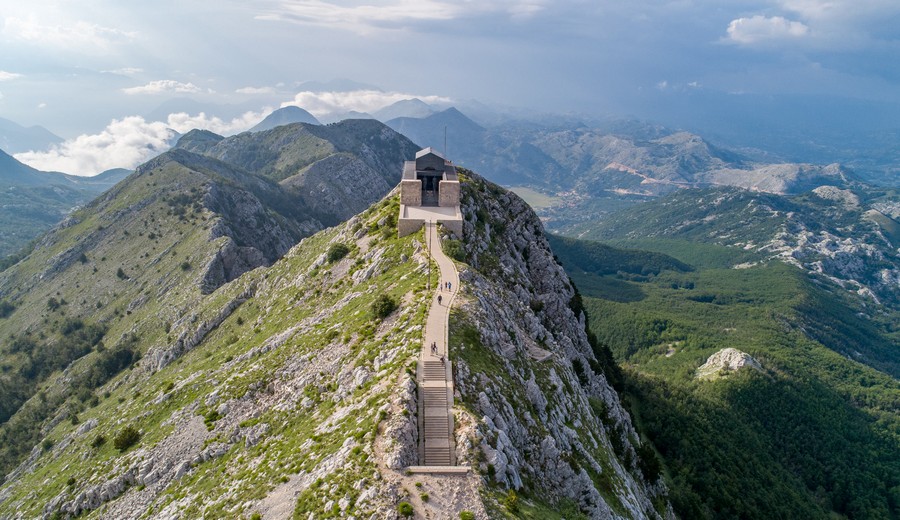
The road toward the mausoleum ascends through the mountain, gradually leaving behind the everyday world. At the final point, visitors must continue on foot, climbing the stone steps that lead to the summit. This ascent is not accidental. It prepares the body and mind for what follows — a quiet encounter with Montenegro’s most profound voice.
A Resting Place Chosen by a Poet
The mausoleum is dedicated to Petar II Petrović Njegoš, Montenegro’s greatest poet, philosopher, and ruler. Njegoš was not only a political leader, but a thinker whose words shaped the moral and spiritual foundations of the nation. He asked questions of freedom, duty, faith, and human struggle — questions that remain relevant far beyond his time.
It was Njegoš himself who wished to be laid to rest on Lovćen. For him, this mountain was not simply geography, but symbolism — a vantage point from which one could see far, think clearly, and remain close to both heaven and homeland.
Architecture in Dialogue with the Mountain
The mausoleum’s design is powerful yet restrained. It does not attempt to dominate the mountain, but to belong to it. Stone, proportion, and silence are its primary elements. Inside, monumental figures and measured space create an atmosphere of dignity rather than grandeur, encouraging contemplation rather than awe.
Nothing here feels excessive. Every detail serves a purpose: to honor thought, sacrifice, and endurance. The mausoleum does not speak loudly — it waits for the visitor to listen.
The View That Explains a Country
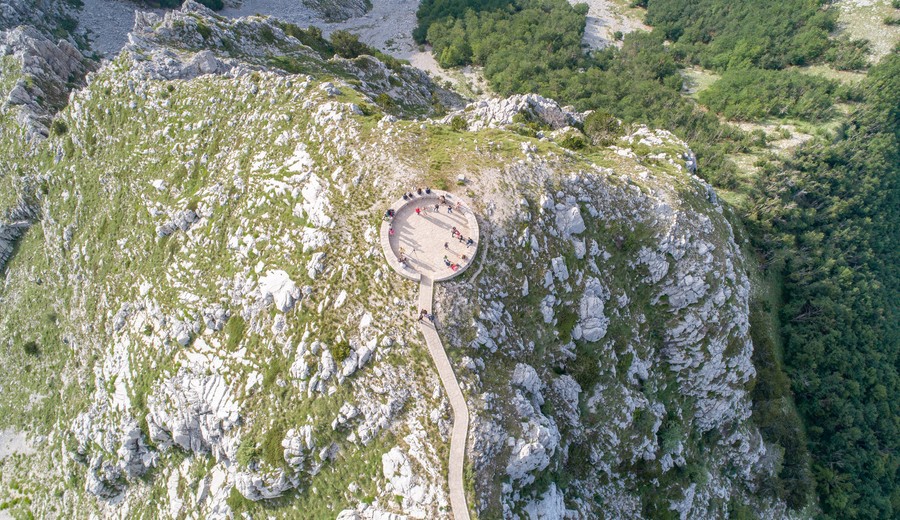
Stepping outside, the panorama unfolds in every direction. From this height, Montenegro reveals itself in layers — mountains, valleys, lakes, and, on clear days, the distant shimmer of the sea. It becomes immediately clear why Lovćen holds such importance in the Montenegrin consciousness.
This is not a view meant only for photographs. It is a view that explains scale, struggle, and resilience. Standing here, one understands how a small country learned to survive between empires, guided by mountains, belief, and an unyielding sense of self.
A Place of Silence and Meaning
Despite its significance, the Njegoš Mausoleum is not theatrical. There is no rush, no spectacle. The dominant presence is silence — broken only by wind and the distant sound of footsteps on stone. It is a place where visitors naturally lower their voices, where reflection comes easily.
For many, this visit becomes the most emotional moment of their journey through Montenegro. Not because of what is said, but because of what is felt.
More Than a Monument
The Njegoš Mausoleum is not just a site to be seen; it is a place to be experienced. It represents Montenegro’s intellectual depth as much as its natural beauty. It reminds us that nations are built not only by battles and borders, but by ideas, words, and the courage to think freely.
To stand on Lovćen, beside the resting place of Njegoš, is to stand at a point where landscape becomes language, and where Montenegro speaks most clearly — quietly, firmly, and forever.