Cetinje – The Old Royal Capital of Montenegro
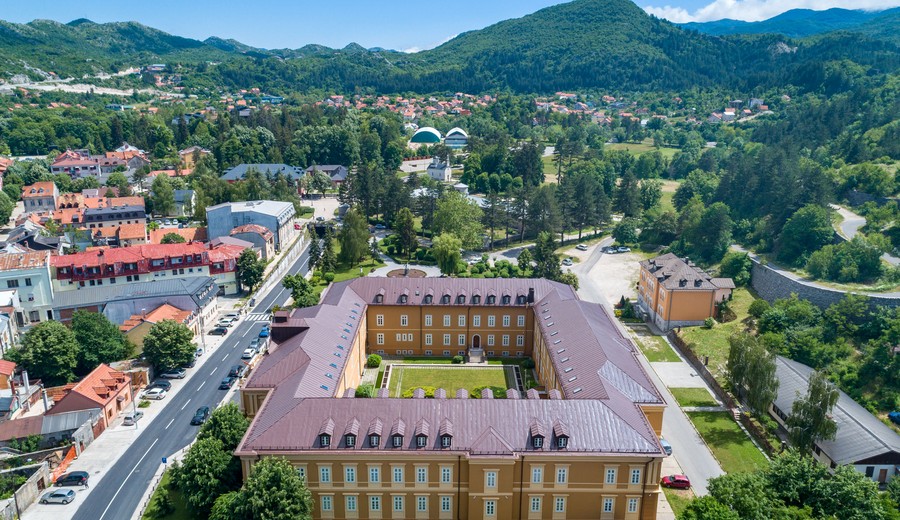
Nestled beneath the slopes of Lovćen, in a wide mountain basin where silence feels intentional, lies Cetinje — a city unlike any other in Montenegro. Not loud, not hurried, and never ornamental, Cetinje carries its importance quietly, with the dignity of a place that does not need to prove what it already knows it is.
This is the Old Royal Capital of Montenegro, a city where statehood was shaped, preserved, and defended not through grandeur, but through endurance, culture, and belief.
A Capital Chosen by Circumstance and Character
Cetinje was never meant to impress from afar. It was chosen for protection, for resilience, for survival. Surrounded by mountains and karst terrain, it became a natural refuge — a place where Montenegrin rulers, bishops, and thinkers built a state against overwhelming odds.
Over time, this small mountain town grew into the political and spiritual heart of the country. Here, Montenegro maintained its independence while much of the region fell under foreign rule. That history is not displayed loudly; it is embedded in the streets, the buildings, and the rhythm of daily life.
A City of Embassies, Ideas, and Quiet Diplomacy
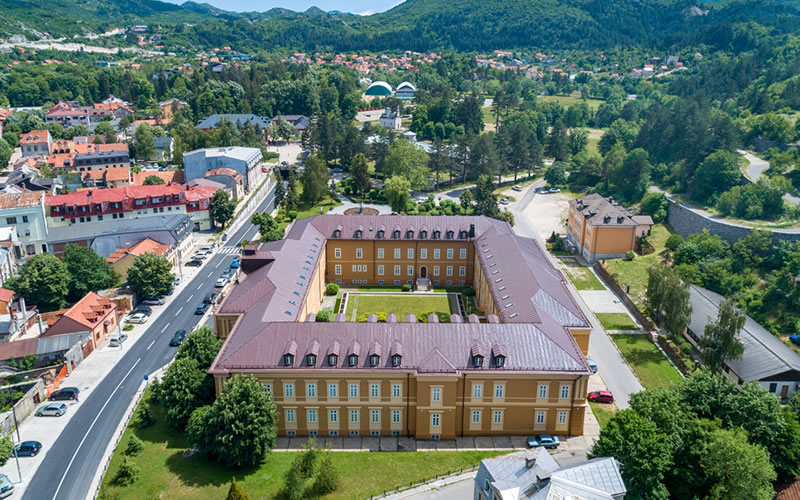
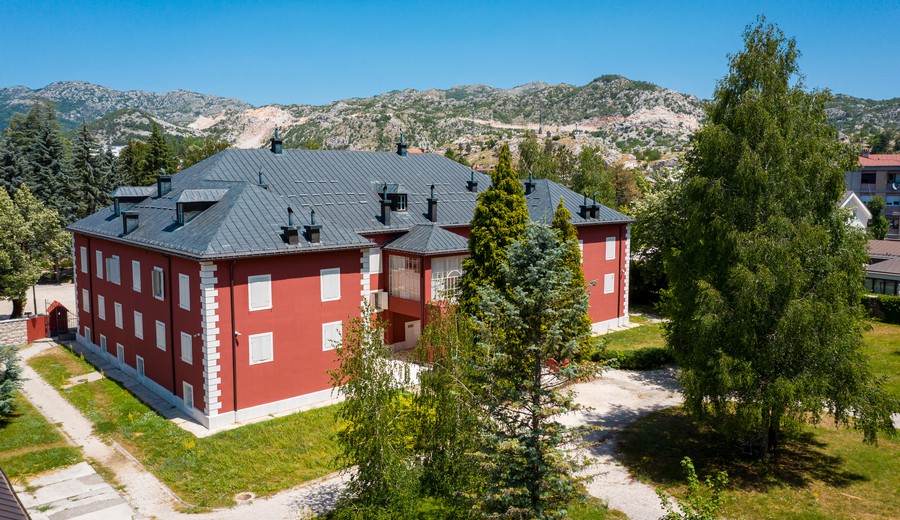
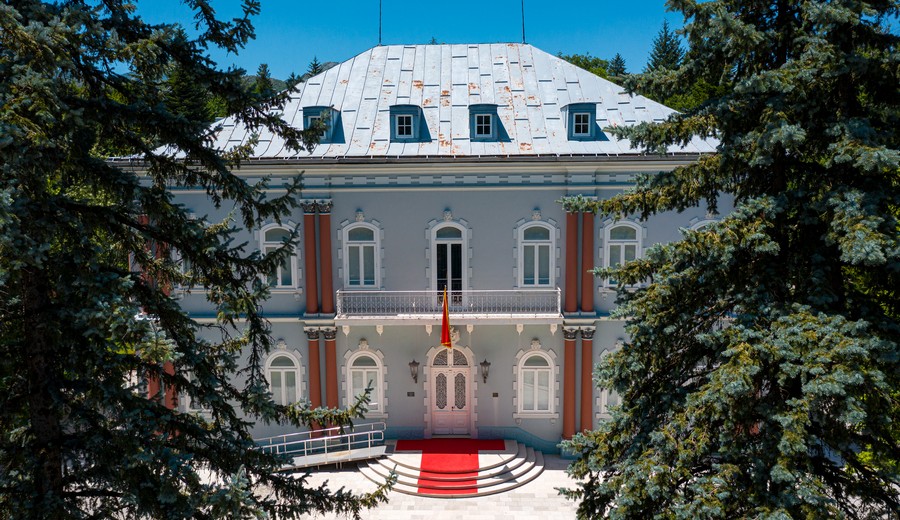
Walking through Cetinje, one encounters an unusual sight: former embassies of European powers standing side by side in a town of modest scale. These buildings tell a powerful story — of a small country recognized by great empires, of diplomacy conducted with dignity rather than force.
Cetinje was once a diplomatic crossroads, where ideas, cultures, and politics met in salons, libraries, and courtyards. Today, these embassies house museums and cultural institutions, preserving the memory of a time when this mountain capital stood firmly on Europe’s political map.
Spiritual Center and Moral Anchor
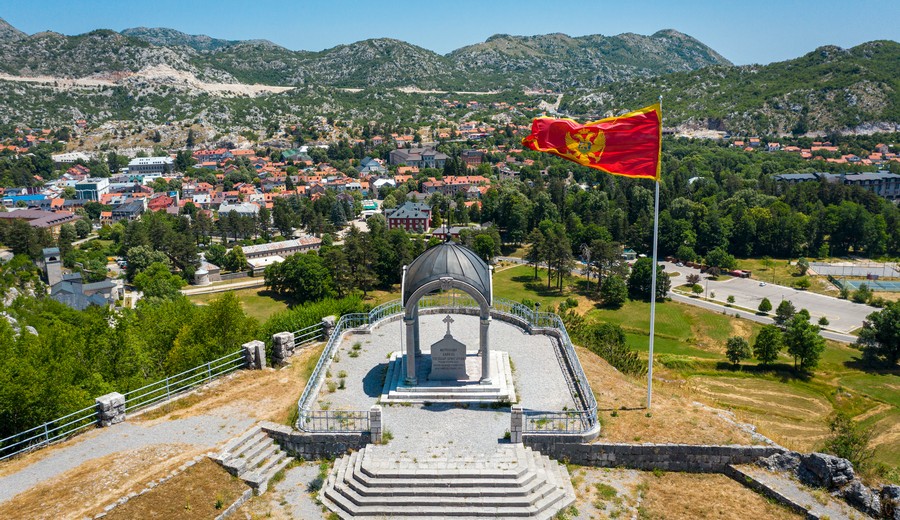
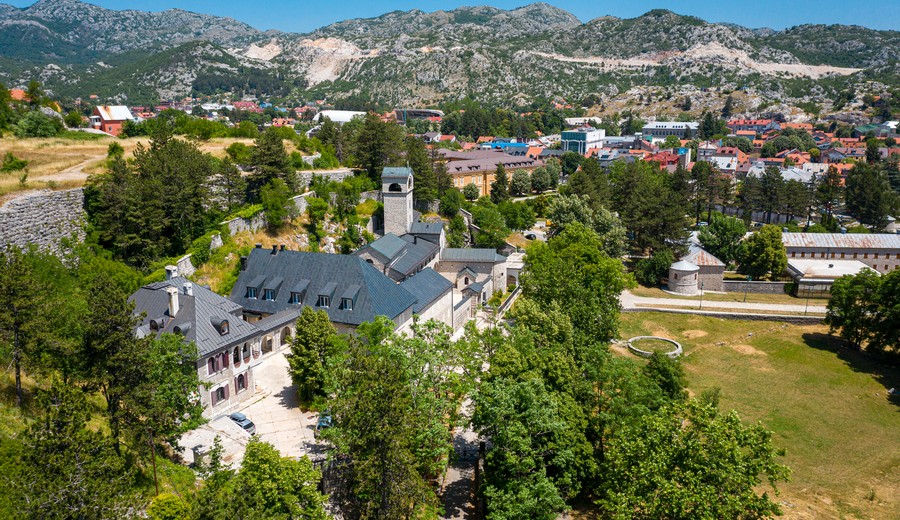
Beyond politics, Cetinje has always been Montenegro’s spiritual center. The Cetinje Monastery, seat of Montenegrin Orthodox faith, has played a central role not only in religion, but in education, literacy, and national consciousness. Here, spiritual leadership and statehood were often one and the same.
This intertwining of faith, culture, and governance gave Cetinje its distinctive character — serious, thoughtful, and deeply rooted in values rather than appearances.
Architecture That Reflects the Soul
Cetinje’s architecture is restrained and honest. Low buildings, wide streets, and human-scale proportions create a sense of openness and calm. Nothing overwhelms the visitor; everything invites closer attention.
The former Royal Palace, museums, ministries, and residences speak of a time when elegance meant simplicity, and authority came from responsibility rather than display. Even today, the city resists excess. Cafés are unpretentious, conversations unhurried, and life measured.
A City That Teaches You to Slow Down
Cetinje is not a place to rush through. It reveals itself gradually — in the sound of footsteps on old pavements, in the way locals greet one another, in the pause before a sentence is finished.
Visitors often describe a sense of calm here, a feeling that time behaves differently. That is not accidental. Cetinje was shaped by patience — by long winters, difficult terrain, and the necessity of thinking before acting. That mindset remains part of the city’s atmosphere.
The Heart That Still Beats
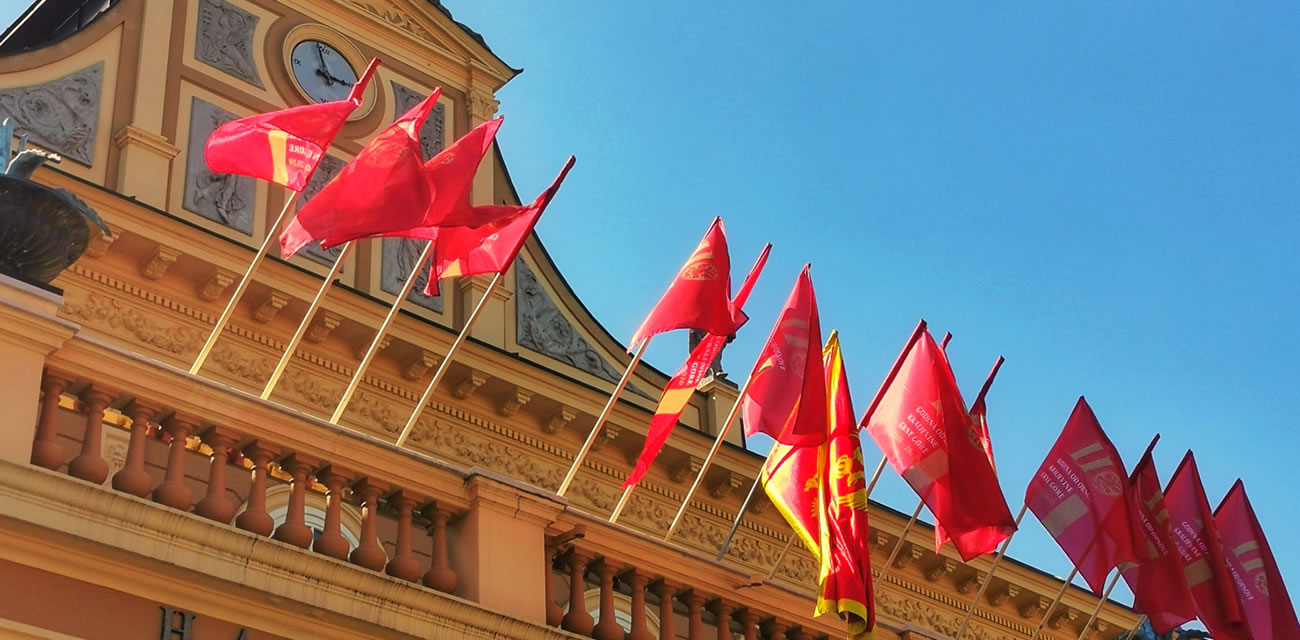
Although no longer the administrative capital, Cetinje remains the symbolic heart of Montenegro. It is where national ceremonies take place, where cultural memory is preserved, and where the country returns to remind itself who it is.
To understand Montenegro, one must walk through Cetinje — not quickly, not with a checklist, but with attention. Because this city does not shout its story. It trusts that those who listen will hear it.
Cetinje is not a capital of monuments alone, but of meaning. And once you feel its quiet strength, it stays with you long after you leave.