Njeguši – Where Montenegro’s Heart Learned to Breathe
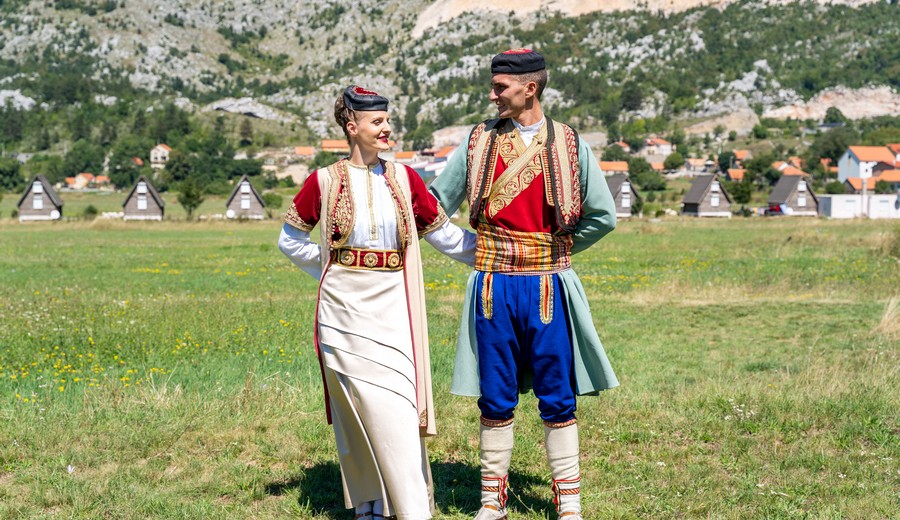
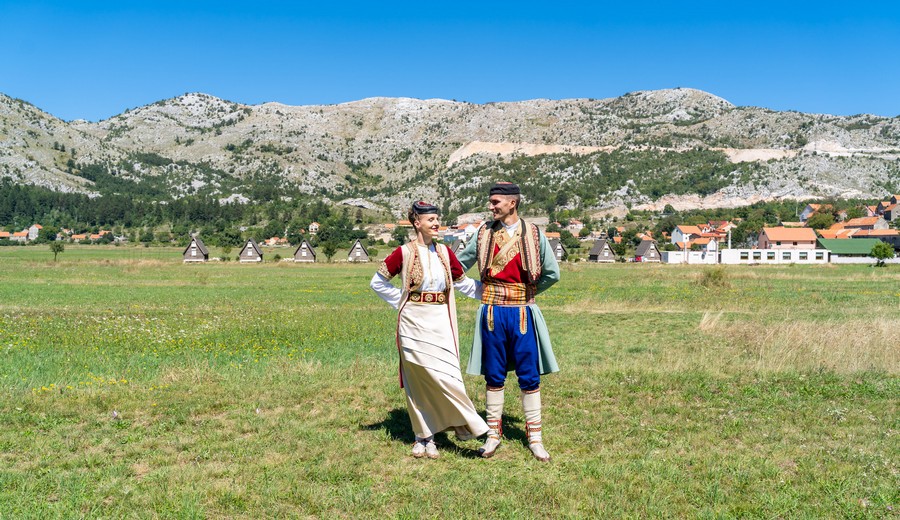
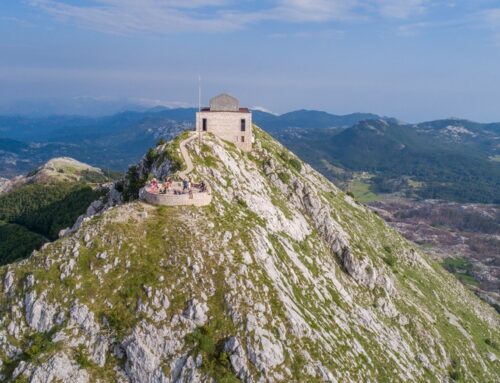
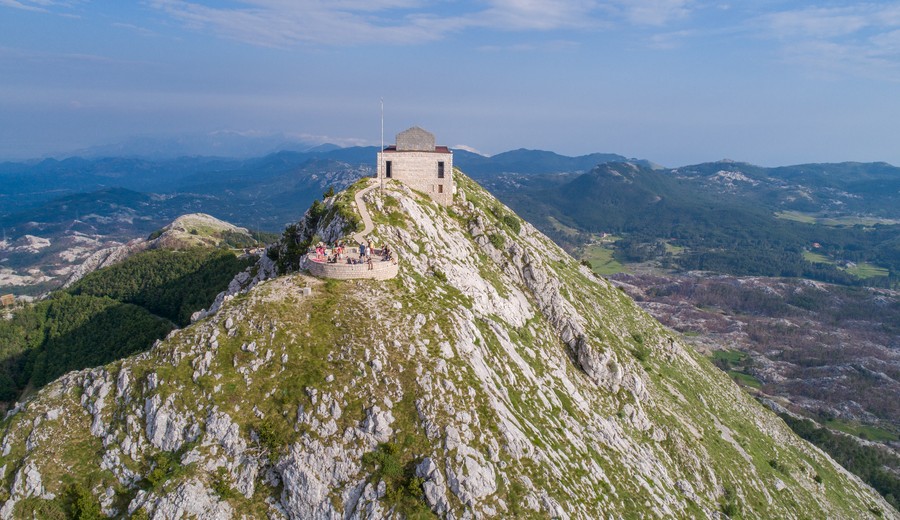
High on the mountain slopes between the Bay of Kotor and the Old Royal Capital of Cetinje lies Njeguši — a village that feels less like a destination and more like a return. Here, stone houses lean gently into the wind, smoke rises slowly from traditional drying rooms, and time moves with a confidence earned through centuries of continuity.
Njeguši is not large, nor is it polished. Its beauty is quieter and deeper, shaped by altitude, climate, and character. To arrive here is to step into a place where Montenegro’s identity was formed not in palaces, but in homes, fields, and shared work.
A Village Shaped by Mountain and Weather
Njeguši owes much of its character to where it stands. Perched high above the coast, exposed to mountain winds and dramatic changes in temperature, the village developed a way of life built on resilience and adaptation. These conditions did not limit Njeguši — they defined it.
The sharp air, long winters, and dry mountain climate created the perfect environment for curing meat and cheese. Over generations, families refined these methods, passing down knowledge with care and pride. What began as necessity became heritage.
The Taste of Place
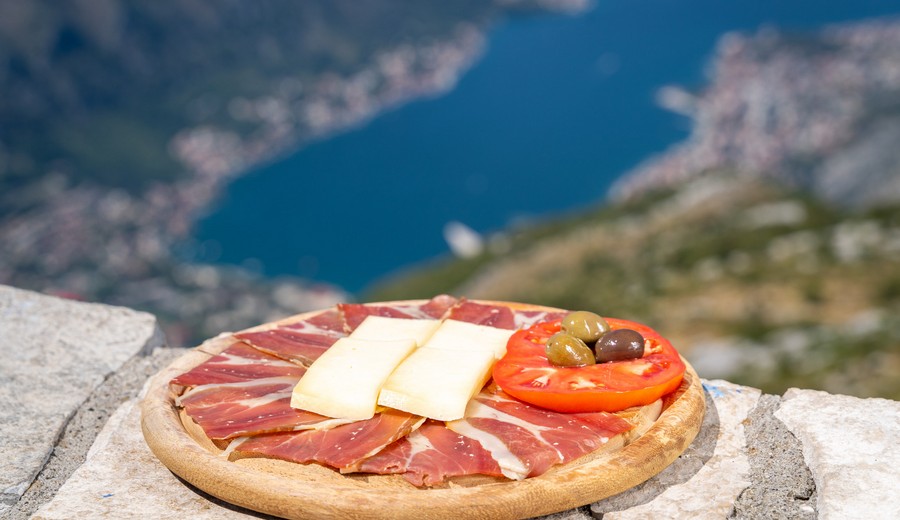
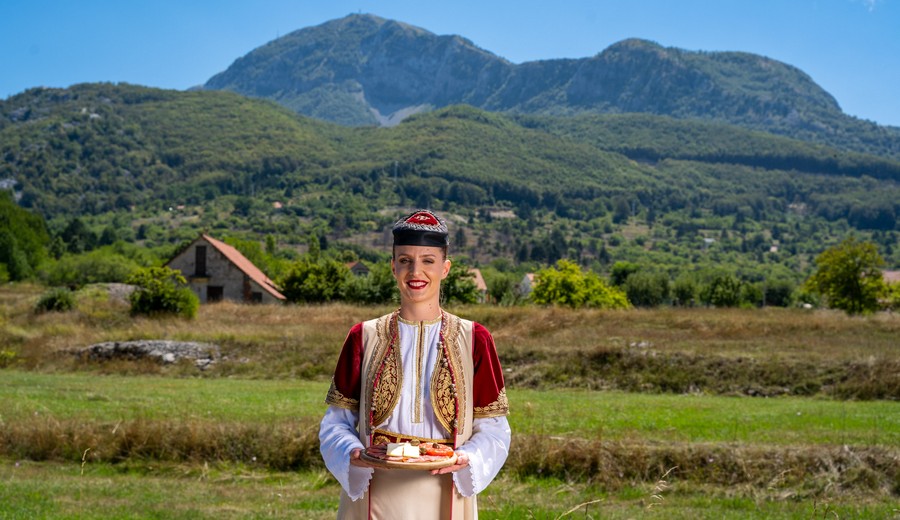
To speak of Njeguši is inevitably to speak of its prosciutto and cheese. But these are not simply products; they are expressions of landscape and patience. Each slice carries the imprint of wind, wood smoke, salt, and time.
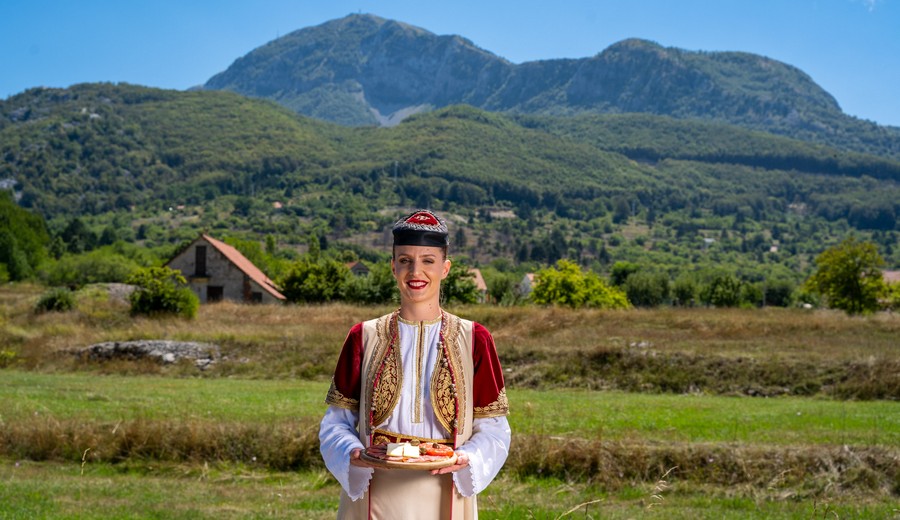
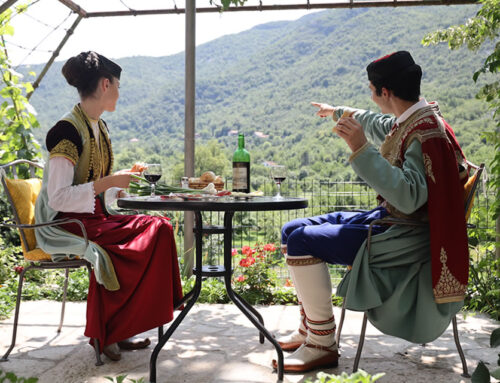
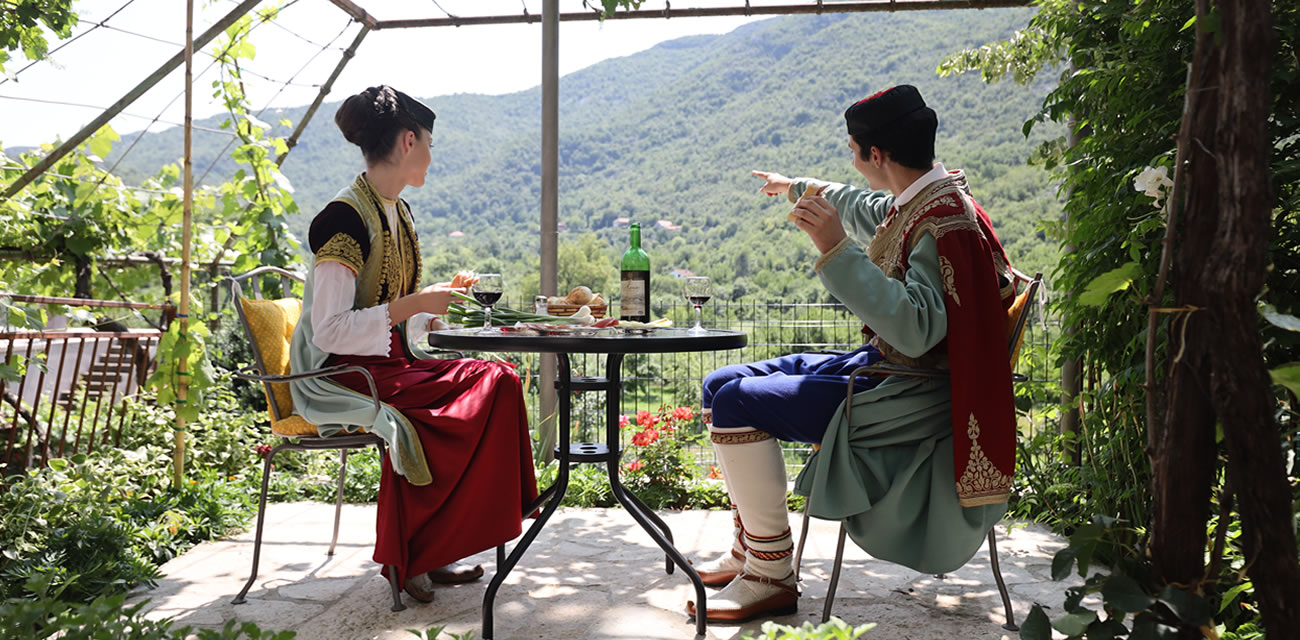
Production here remains deeply personal. Smokehouses stand beside family homes, recipes are guarded quietly, and quality is measured not by volume, but by integrity. Visitors are welcomed not as customers, but as guests — invited to taste, listen, and understand.
Birthplace of Thought and Identity
Njeguši holds another layer of significance. It is the birthplace of Petar II Petrović Njegoš, Montenegro’s greatest poet, philosopher, and ruler. From this modest mountain village emerged a mind that would give voice to a nation’s struggles, ideals, and moral compass.
That origin matters. Njegoš’s words were shaped by the same environment that shapes Njeguši today — stark beauty, hard work, silence, and reflection. The village reminds us that great ideas often come from simple places.
Architecture Without Pretension
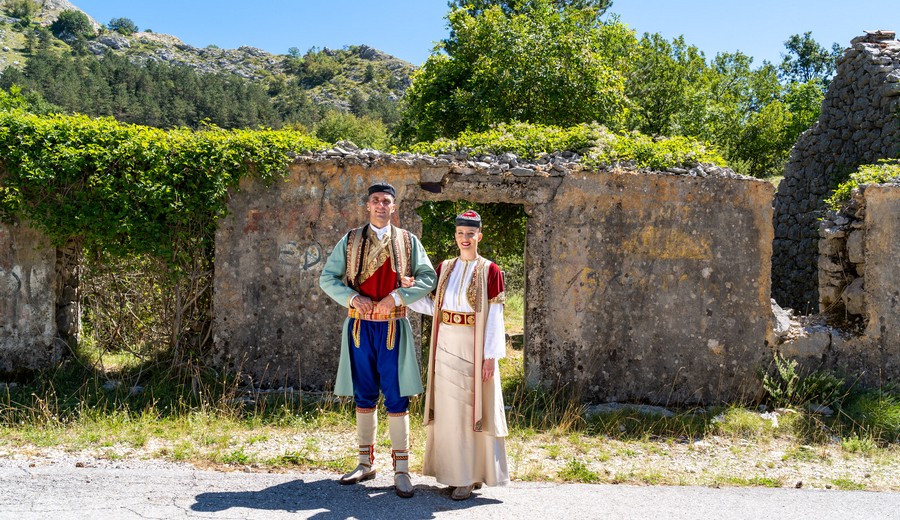
Njeguši’s stone houses are practical and enduring. Built to withstand wind and snow, they reflect a philosophy of usefulness before display. Roofs are heavy, walls thick, windows measured. Nothing is excessive; everything has a reason.
This architecture creates a sense of harmony with the surroundings. The village does not interrupt the landscape — it belongs to it.
A Way of Life That Endures
Despite the passing of time, Njeguši has resisted becoming a performance. Life here continues much as it always has: tending animals, curing food, greeting neighbors, and respecting the rhythm of the seasons.
There is dignity in this continuity. Njeguši does not seek attention, yet it leaves a lasting impression on those who arrive with openness and respect.
Why Njeguši Matters
Njeguši is important not because it is picturesque, but because it is truthful. It shows Montenegro as it has long been — proud without arrogance, hospitable without spectacle, strong without noise.
To visit Njeguši is to understand that Montenegro’s strength was forged not only in battles and politics, but in villages like this — where people learned to endure, to create, and to pass on what mattered most.
Njeguši does not ask to be admired. It asks only to be experienced — slowly, sincerely, and with appreciation for the quiet power of a place that has never forgotten who it is.